Categories
Blog Post

The Benefits of Collecting Miniature Versions of Everyday Items

Collecting miniature versions of everyday items has become a popular hobby among many people. Miniature items are not only cute and adorable, but they also have many benefits. In this article, we will explore the benefits of collecting miniature versions of everyday items.

They’re Affordable

One of the biggest benefits of collecting miniature versions of everyday items is that they’re affordable. You can start your collection with just a few dollars and add to it over time. Unlike other hobbies that require expensive equipment or materials, collecting miniature items can be done on a budget.

They’re Space-Saving

Another benefit of collecting miniature items is that they’re space-saving. You can store a large collection of miniature items in a small area. This makes it a great hobby for people who live in apartments or small homes.

They’re Easy to Display

Miniature items are also easy to display. You can use a variety of display methods such as shelves, shadow boxes, and even dollhouses. This allows you to showcase your collection in a creative and unique way.

They’re Fun to Collect

Collecting miniature versions of everyday items is also a fun hobby. It’s exciting to search for new items to add to your collection and to see your collection grow over time. You can also trade and swap items with other collectors to expand your collection.

They’re Educational

Collecting miniature versions of everyday items can also be educational. Many miniature items are made with attention to detail and accuracy, making them a great way to learn about different professions, cultures, and time periods. You can also learn about the history of miniature items and the different materials and techniques used to make them.

They Spark Creativity

Collecting miniature versions of everyday items can also spark creativity. You can use them as inspiration for creative projects such as miniature dioramas or scenes. This hobby can also inspire you to learn new skills such as painting, sculpting, and woodworking.

They Reduce Stress

Finally, collecting miniature versions of everyday items can also reduce stress. The process of searching for new items and organizing your collection can be a relaxing and therapeutic activity. It can also provide a sense of accomplishment and satisfaction.

Conclusion

Collecting miniature versions of everyday items has many benefits. They’re affordable, space-saving, easy to display, fun to collect, educational, spark creativity, and reduce stress. Whether you’re a seasoned collector or just starting out, this hobby is a great way to add some charm and personality to your home. So go ahead, start your collection today, and enjoy the many benefits of collecting miniature items.

Categories
Best of...

Miniature Versions of Things | Social Media

Stay connected with Miniature Versions of Things on Instagram, Facebook, and YouTube!

Facebook, Instagram, YouTube… Oh my!

Connect with us on Facebook for recent product additions, reviews, and reels of the best Miniature Versions of Things around — in use!

Connect with us on Instagram for all of the best Miniature Versions content, in your favorite short (mini) formats!

Or stay up to date with new product videos and shorts on our YouTube channel — our most viewed channel!

See you out there!

Categories
Blog Post

Different Types of Miniatures | Replicas, Functioning, Novelty and More

Humans love miniature things. We love things that are cute, intricate, delicate, detailed, and small. A lot of this relates to our underlying psychology, and explains why we think certain things are so cute.

This love of all things miniature has driven a surge in the creation of miniature products, of all kinds. This is nothing new, mind you. Dollhouses and other types of miniature replicas of people, animals, household items and more have been in use as toys or baubles for centuries. The biggest difference we see between then and now, is the selection of miniatures at our disposal.

Different Types of Miniatures

There are a number of different types of miniatures, that can be largely segmented by their function, or type of function. Some miniatures are meant to be working versions of the full-sized product, nearly fully-functioning. Others are merely miniature replicas made to resemble or commemorate the real object. Still others serve a different purpose entirely from the full-sized object they represent.

Some are meant as decor, others as miniature stand-ins for a full-sized product that just wouldn’t fit, and some are just meant as fun toys. These groups can cross over and intermingle, and it’s not uncommon to see a model city, trainset, or dollhouse utilize a combination of functioning and non-functioning miniatures in the same scene.

Fully- or Nearly Fully-Functioning Miniatures

Fully or nearly fully-functioning miniatures are a product class that has exploded in recent years. With the ability to shrink older technology to miniscule sizes, with relative ease, the ability to create functioning miniature products at a reasonable cost was created.

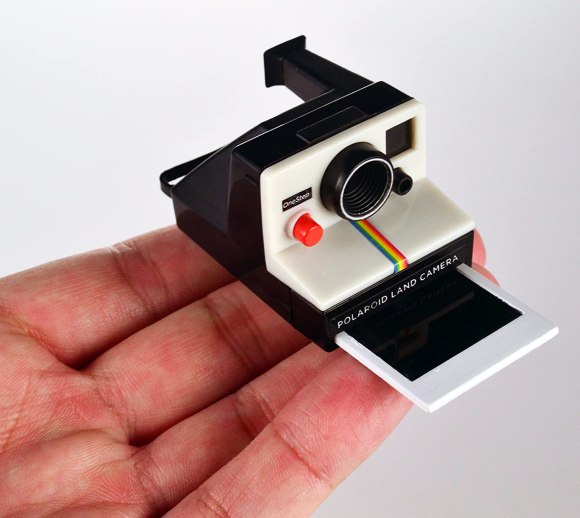
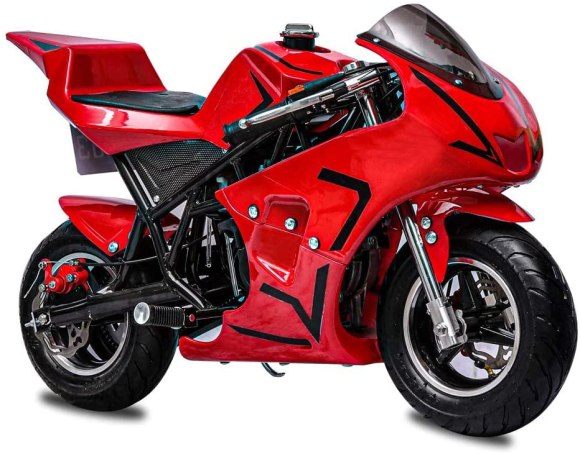
These functioning miniatures generally serve a similar purpose to the full-sized version, often with some modifications. This type of miniature spans all sizes, product types, and functions. From miniature smartphones to “pocket” motorcycles, enthusiasts and brands have learned to shrink the essential components of these products to make a useable (if slightly less powerful) version of a product.

Non-Functional Replicas

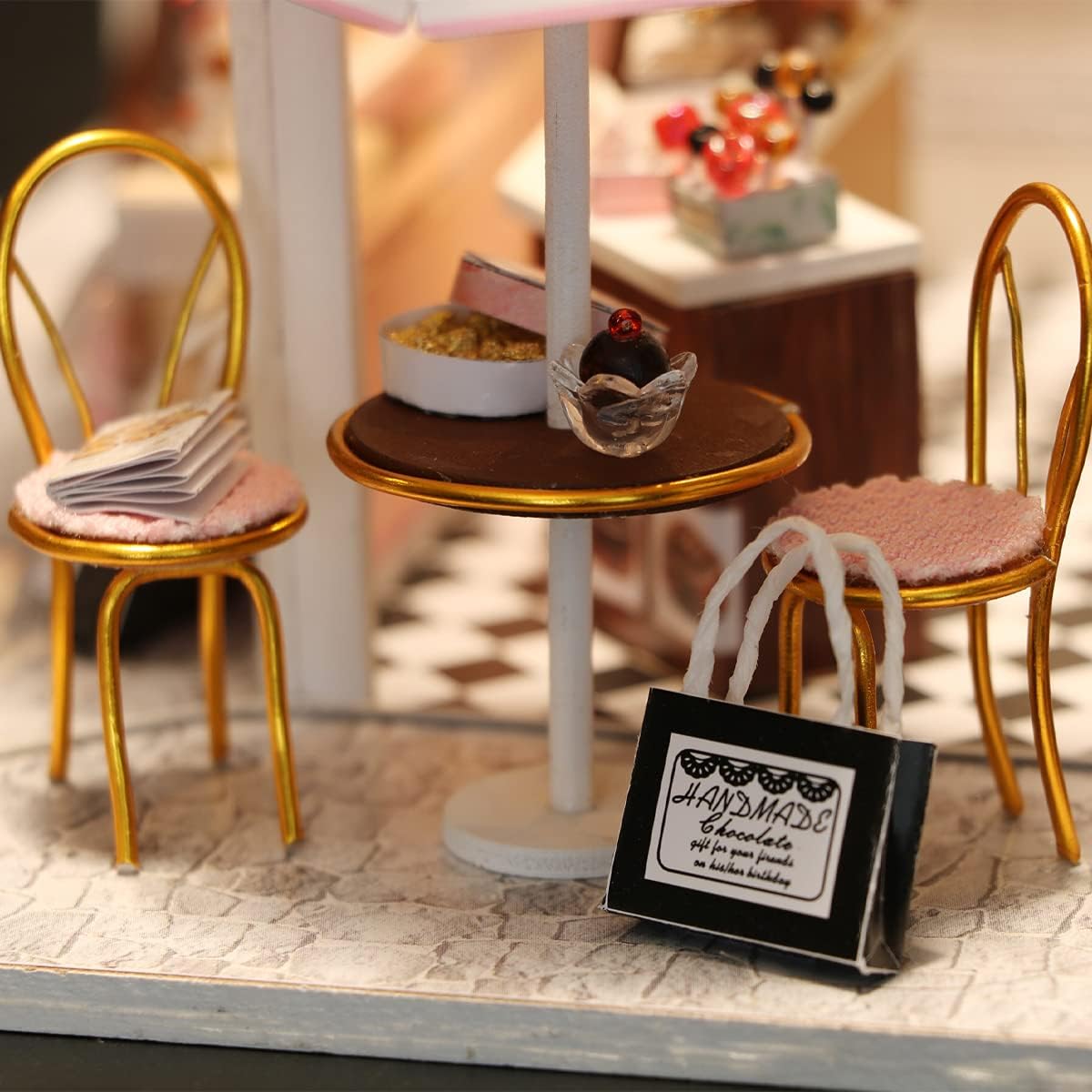
On the other end of the spectrum, are the non-functioning miniature replicas. It is, in fact, a spectrum, and some objects tend to fall in between. Things like toys and model cars that “work” if powered by someone’s hand are only partially functional. Other miniatures, like dollhouse decor, or ceramic figurines, don’t function as their full-sized counterparts do at all.

Non-functional replicas are often prized for their intricacy and attention to detail. The craftsmanship that goes into creating perfect replicas, on a miniscule scale, can be very impressive and come at a high cost. Humans are drawn to detail-rich areas, and complex miniature representations of normal objects scratch that psychological itch perfectly.

Separate Purpose Miniatures

In some cases, a miniature replica of an object can serve a purpose completely separate from the purpose the full-sized version would serve. These “separate purpose miniatures” are interesting for a number of reasons. Sometimes the true purpose of the item is concealed behind the guise of the miniature figurine or object–like a miniature golf club that conceals a ballpoint pen. Other times, the purpose of the item is built right into the appearance of the mini; like a makeup compact that looks like a tiny laptop.

Dual-Purpose Miniatures

A subset of these separate purpose miniatures, are the dual-purpose miniatures that serve the purpose they depict, as well as a secondary purpose. The golf club/ballpoint pen combo mentioned above actually fits this category. We’ve also seen small, functional objects–like manual pencil sharpeners–hidden within miniature replicas, like this slot machine.

Miniature Versions of Things

There are so many different “Miniature Versions of Things” out there these days, we may end up uncovering new categories of miniatures to feature here. As technology continues to shrink, the number of “retro” products that we can condense to keychain size is going to become staggering!

Categories
Blog Post

Why Do People Like Miniature Things?

It’s a well-known phenomenon that people tend to think that itty-bitty, tiny, mini versions of things tend to be cuter than larger versions. People are undoubtedly drawn to things that are small. It permeates fashion, design, food, even pets. It creeps into our culture as slang–we all know that smol doggos are puppers–and as marketing fodder (from the Taco Bell dog to the Geico Gecko).

While countless studies are conducted every year to better understand the human mind, there is surprisingly little direct research on the science of “cute.” What we do know, is that humans think little things are cute, and are drawn to them in a number of ways (some more obvious than others).

Why We Think Mini Things are Cute

There are a few different reasons why we are drawn to small, cute things. They tend to fall into the following categories.

Humans are nurturers by nature

When humans come across small things, especially animals and other humans, our instinct to nurture and protect them immediately fires up. When we see a miniature creature, or an adorable figurine, we have similar responses in our brains. We want to bring that thing in close to us, and make sure that no harm befalls it. Our instinct and nature is to protect, nurture, and help things that are smaller and weaker than ourselves.

This instinct makes perfect sense–it’s what drives us to protect our own young, thus helping to propagate the species (a main evolutionary imperative). This instinct has been shown to “spill over” when other things or creatures display similar characteristics to our own young–rounded head, small size, relatively large eyes, for example. This explains why things like puppies and certain types of dolls tend to bring out a parental instinct in people. We are instinctively drawn to these features, with a need to care for them and treat them positively.

We are drawn to things that we know won’t hurt us

Another reason that humans tend to enjoy small versions of things, is that we know that they can’t hurt us. This can be traced back the evolutionary ladder, as a very sensible survival instinct.

Humans are, by nature, insatiably curious creatures. We seek out experience and information, and use it to better our lives. Being drawn to the smallest versions of things allows us to engage and discover, without the danger that could be inherent in approaching a full-sized version of that thing.

This could apply to nearly anything–climbing to the top of a full-sized tree to learn more about it is a dangerous undertaking but observing the growth of a sapling from the ground is a different story. Same with animals–or in the modern day, vehicles!

Humans enjoy the sense of control that small things give us

Humans crave control. We love to be able to manipulate and impact our environment. It’s one of the reasons why rearranging your furniture feels so liberating. It puts you in control and gives your a psychological boost.

Miniature versions of things make this feeling much more easily achievable. Doll house and model train enthusiasts certainly understand the thrill of creating, maintaining, and ultimately changing and updating a miniature environment. But you don’t need to go all in with a giant model city or home to get that same feeling. Mini kits to help us build models, bake cakes, or store our goodies, all allow us to feel control on a small scale, without the expense or time commitment that some other hobbies require.

We have a fascination and love for toys throughout our lives

Toy versions of things are often our first experience with an object. We play with toy trucks and kitchen appliances long before we come into contact with the real versions. We also tend to associate these toys with positive memories and experiences. After all, toys are meant to be fun.

As we get older, we are still drawn to “toy-like” things, and to the toys of our past. Many of these toys also play on our other instincts–utilizing all of the “cute” features that our nurturing selves are drawn to. Finally, we associate children’s toys with the children who use them, which fires up our instinct to nurture as well.

Miniatures pack information and stimulation into a small area

It’s the nature of human beings to seek out information and stimulation. We are consistently drawn to the most information-dense areas of artwork, webpages, etc. This principle is used to great effect in print and online design, but it far predates those fields.

Miniatures pack a lot of visual stimuli and information into a small area, which makes them inherently interesting. We want to hold them close and inspect them. We’ve seen this throughout history–indeed, we’ve seen this in artwork that predates written history!

This is not a trend

Although certain small items may in fact be “trendy” at any given time, the fascination with things in miniature is not a trend that will die out anytime soon.

From the enduring prevalence of dollhouses and model trains, to the timeless use of miniatures as children’s toys, to prehistoric sculptures of humans and creatures–this love for miniature versions of things has endured centuries, and with the ever-more impressive ways that technology is influencing us all, we’re sure to see more miniature versions of things that we never even considered possible!

Everybody loves miniature versions of things–you just need to find the right things!