Categories
Blog Post

Gas-Powered Minibikes | Tried and True

Gas powered minibikes have been around for decades and have been a favorite among enthusiasts for their power and speed. Electric minibikes, on the other hand, are a newer addition to the market and are gaining popularity due to their eco-friendly nature. Both types of minibikes have their own set of benefits and drawbacks.

Benefits of Gas-Powered Minibikes
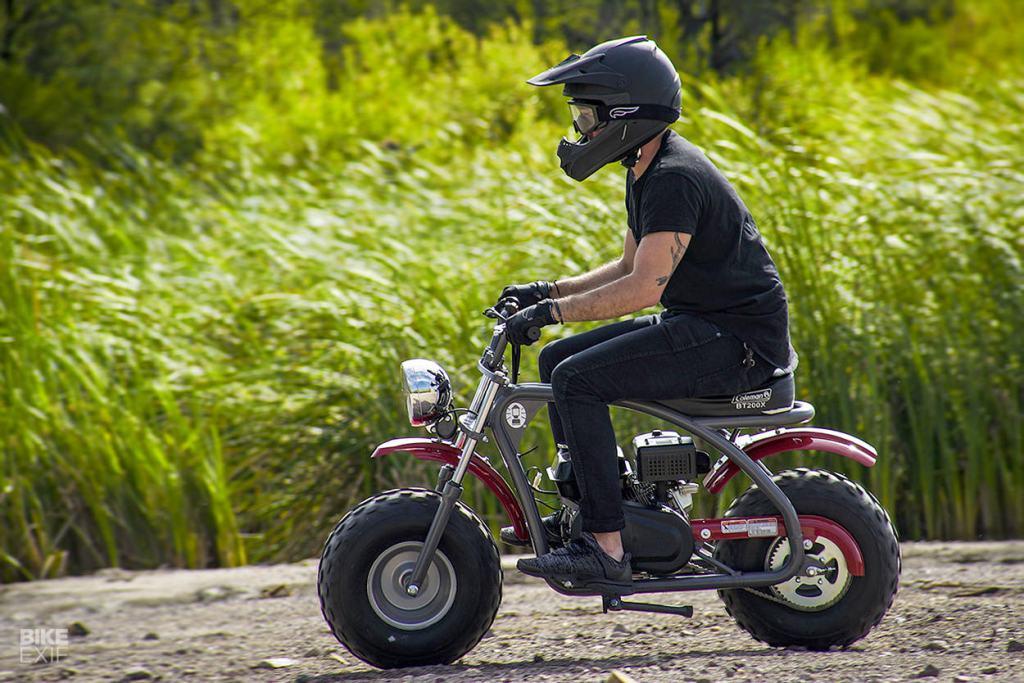
In this blog post, we will take a look at the benefits of gas-powered minibikes as compared to electric ones.

Power and Speed

Gas powered minibikes are known for their powerful engines and high speeds. They can reach speeds of up to 50 mph and above, making them ideal for off-road adventures and racing. Electric minibikes, on the other hand, have a top speed of around 20-30 mph, which may not be suitable for some riders.

Efficiency

Gas powered minibikes can be argued to be more “fuel-efficient” than their electric counterparts — they can run for hours on a single tank of gas, often covering much more distance on a single tank than an electric bike can cover on a single charge. This makes gas-powered bikes a great option for long rides. Electric minibikes, on the other hand, need to be recharged after a certain number of miles, which can be inconvenient for some riders.

Maintenance

Gas powered minibikes require regular maintenance, such as oil changes and air filter replacements. Electric minibikes, on the other hand, have fewer moving parts, which means they require less maintenance.

Cost

Gas powered minibikes are generally cheaper than electric ones. The initial cost of a gas powered minibike is lower, and the cost of gas is also cheaper than the cost of electricity. Electric minibikes, on the other hand, are more expensive and require a higher initial investment.

Conclusion
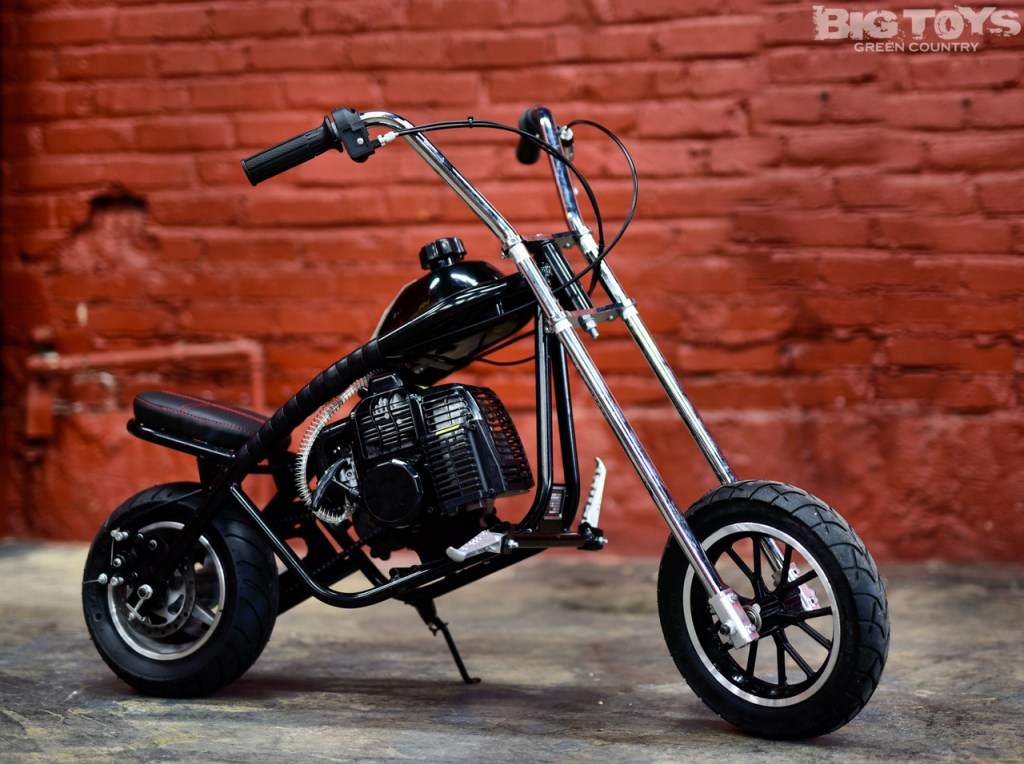
In conclusion, gas-powered minibikes are a great option for riders who are looking for power and speed, while electric minibikes are a great option for riders who are looking for an eco-friendly option. Both types of minibikes have their own set of benefits and drawbacks, and the choice ultimately comes down to personal preference.

Categories
Blog Post

Gas or Electric Minibike? A Comparison

Minibikes, a.k.a. mini motorcycles (mini-motos) or pocket bikes, come in two main types: electric and gas-powered. Both types have their own set of benefits and limitations, so it’s important to understand the differences between them before making a purchase.

Gas-Powered vs Electric Minibikes

Here is a comparison of electric and gas-powered minibikes.

  1. Power source:
    The most obvious difference between electric and gas-powered minibikes is their power source. Electric minibikes are powered by a rechargeable battery, while gas-powered minibikes are powered by gasoline. Electric minibikes are more eco-friendly and produce no emissions, while gas-powered minibikes produce emissions and require regular maintenance such as oil changes and filter cleaning.
  2. Speed and range:
    Electric minibikes have a limited speed and range compared to gas-powered minibikes. The average electric minibike can reach speeds of around 20-30 mph and can travel for around 20-30 miles on a single charge. On the other hand, gas-powered minibikes can reach speeds of around 40-50 mph and can travel for a much longer distance between refuels.
  3. Noise level:
    Electric minibikes are much quieter than gas-powered minibikes. This can be a major advantage for those who live in residential areas or for those who want to ride in peace and quiet.
  4. Cost:
    Electric minibikes are generally more expensive than gas-powered minibikes. The cost of the battery and electric motor is higher than that of the gasoline engine. However, electric minibikes have lower operating costs since they require less maintenance, and electricity is cheaper than gasoline.
  5. Maintenance:
    Electric minibikes require less maintenance compared to gas-powered minibikes. They have fewer moving parts and don’t require oil changes or filter cleaning. However, the battery needs to be charged and the electric motor need to be checked for wear and tear. On the other hand, gas-powered minibikes require regular maintenance such as oil changes, filter cleaning, and spark plug replacement.

Conclusion

In conclusion, electric and gas-powered minibikes have their own set of benefits and limitations. Electric minibikes are more eco-friendly, quieter, and require less maintenance but have a limited speed and range. Gas-powered minibikes are more powerful, have a longer range, and are less expensive but produce emissions and require regular maintenance. The choice between the two depends on your personal preference, budget, and needs.