Have you ever wondered why we find babies, puppies, kittens, and other adorable creatures so irresistible? The answer lies in the way our brains process cute stimuli. In this blog post, we’ll explore what happens in the human brain when we see something cute.
Cuteness Stimulates the Brain

The first thing that happens when we see something cute is the activation of the brain’s pleasure centers. When we see a cute baby or animal, our brain releases dopamine, a neurotransmitter associated with pleasure and reward. This surge of dopamine creates a positive emotional response, which can make us feel happy, content, and even euphoric.
Happy Chemicals
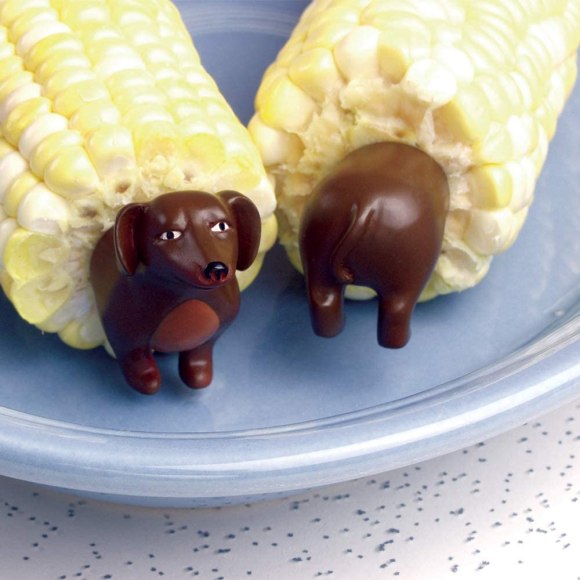
In addition to activating the pleasure centers, seeing something cute also triggers the release of oxytocin, a hormone associated with bonding and social connection. Oxytocin is often called the “love hormone” because it is released during social bonding activities such as hugging, kissing, and cuddling. When we see something cute, our brain perceives it as non-threatening and safe, which can lead to the release of oxytocin and a feeling of warmth and connection.
Reduced Inhibitions
Another interesting aspect of our brain’s response to cute stimuli is that it can override our natural aversion to germs and disease. Studies have shown that people are more willing to approach and touch cute animals, even if they know they carry harmful bacteria or viruses. This is because our brain perceives the cuteness as a reward and suppresses our natural fear response.
Behavioral Response
The impact of cuteness on our brain can also influence our behavior. In one study, participants were shown pictures of cute animals before completing a task. The participants who viewed the cute images performed better on the task and showed greater attention to detail than those who viewed neutral images. This suggests that cuteness can improve cognitive performance and increase our ability to focus.
Miniatures and Cuteness Conclusion

In conclusion, seeing something cute can have a powerful effect on the human brain. The activation of pleasure centers, the release of oxytocin, and the suppression of fear can all contribute to our positive emotional response.
Additionally, cuteness can improve cognitive performance and increase our attention to detail. So the next time you find yourself cooing over a cute puppy or giggling at a baby’s chubby cheeks, remember that it’s not just your imagination – there’s science behind the cuteness.
 Miniature Versions of Things